
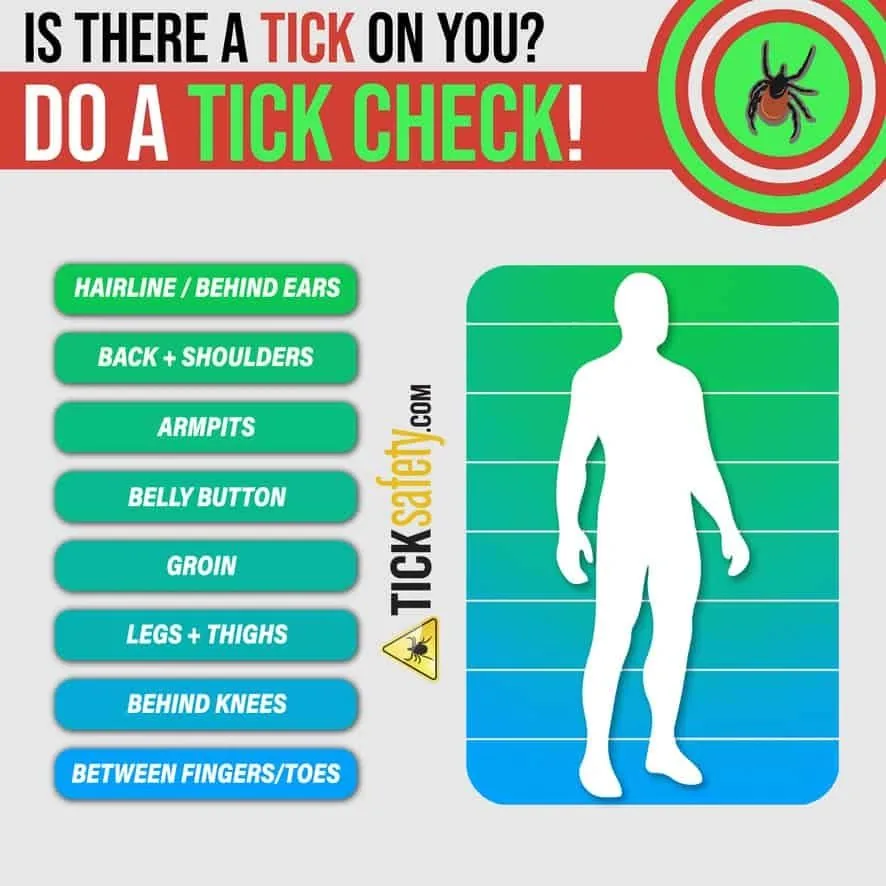
Ticks are not only a threat to humans but can also be a danger to pets, especially during warmer months when these pests are most active. Check yourself for Ticks, it is crucial to protecting your family, including your furry friends, from Tick-borne illnesses. Whether you're checking your pets, yourself, or your children, knowing the right techniques can help prevent ticks from spreading diseases like Lyme disease, Rocky Mountain spotted fever, and more. Here's your guide to performing effective DIY tick checks at home.
Why Regular Tick Checks Are Important
Ticks are sneaky, and their bites often go unnoticed until symptoms of illness appear. The sooner a tick is removed, the lower the risk of it transmitting diseases. By making self Tick checks a regular part of your routine, you can ensure you’re doing everything possible to protect you and your family members from these harmful pests.
How to Do a Tick Check on Pets
Pets, especially those that spend time outdoors, are at high risk of picking up ticks. Here's how to check your dog or cat for Ticks effectively:
1. Start with a Calm Pet
Ensure your pet is calm and comfortable before you begin. It’s best to do this after outdoor activities like walks or playtime.
2. Check the Head and Ears
Ticks often latch onto the head, ears, and neck area. Check behind your pet's ears, around the eyes, and under the chin. Pay attention to the folds of the skin, as Ticks like to hide in crevices.
3. Inspect the Body and Legs
Run your fingers through your pet’s fur to feel for any bumps or abnormal lumps. Ticks can be small and hard to detect, so gently part the fur in different areas to get a good look at the skin. Don’t forget to check the legs, especially in between the toes.
4. Focus on the Belly and Underarms
Ticks can also hide in the pet’s belly, underarms, or groin area. Lift your pet’s legs and check the belly thoroughly, including the inside of the back legs and under the tail.
5. Remove Ticks Properly
If you find a Tick, use a pair of fine-tipped tweezers or a tick removal tool to gently pull it out. Grasp the tick as close to the skin as possible and pull it straight out, avoiding twisting. Clean the bite area with antiseptic and monitor your pet for any signs of illness, like fever, lethargy, or loss of appetite.
How to Do a Tick Check on Yourself
Ticks can latch onto any exposed skin, so it’s important to do a thorough Tick check on yourself, especially after being outside in areas with tall grass or wooded areas. Follow these steps:
1. Check Your Hair and Scalp
Ticks are tiny and often attach to the scalp or hairline, so start by running your fingers through your hair and scalp. If you have long hair, part it and check closely at the roots.
2. Inspect Underarms and Waistline
Ticks like to hide in warm, moist areas of the body, so be sure to check under your arms, the inside of your elbows, and around your waistline, including the area around the belt or waistband.
3. Examine Your Legs and Feet
Ticks often attach to the legs, especially near the ankles, knees, and between the toes. Make sure to check every area thoroughly, including your feet, as Ticks may hitch a ride without being noticed.
4. Pay Attention to Hard-to-See Areas
If you're not able to check all areas yourself, ask someone to help you look at your back and other hard-to-see places. Checking regularly, especially after outdoor activities, is key to preventing tick bites.
5. Remove Ticks Quickly
If you find a Tick, use tweezers to pull it out gently and steadily. Don’t squeeze the Tick, as this can increase the risk of infection. Clean the bite area and keep an eye on it for a few weeks for any signs of illness, such as a rash or flu-like symptoms.
How to Do a Tick Check on Kids
Ticks are just as dangerous for children, so it’s important to check them thoroughly after outdoor activities, especially in Tick-prone areas. Here’s how to do a kid-friendly Tick check:
1. Make It Fun
Turning Tick checks into a fun and simple routine helps kids feel comfortable. You can turn it into a game where they get to check their stuffed animals or pretend to be detectives while you check them.
2. Check Hair and Scalp
Begin by checking your child’s hair, as Ticks often hide close to the scalp. Part their hair gently to check the roots.
3. Inspect the Ears and Neck
Carefully check behind the ears, around the neck, and along the hairline. These are common places for Ticks to latch on.
4. Look Underarms, Knees, and Groin Area
Pay close attention to areas where clothing tends to rub, such as the underarms, inner thighs, and behind the knees. Ticks are attracted to these hidden, warm areas.
5. Don’t Forget the Feet and Toes
After checking larger areas of the body, make sure to check between your child’s toes and around their ankles. Ticks may latch onto these areas and go unnoticed.
6. Keep Ticks Away with Proper Clothing
When spending time outdoors, dress your child in protective clothing like long sleeves, pants, and socks. Tuck pants into socks to prevent ticks from climbing onto the skin.
Conclusion
Regular Tick checks are essential for keeping your family, including pets, safe from Tick-borne diseases. By following these simple steps to check for ticks, you can catch them early and minimize the risks. Remember, the sooner you remove a Tick, the lower the chances of it transmitting a disease. Stay vigilant, enjoy outdoor activities with peace of mind, and make Tick checks a routine part of your family’s health care!
For an extra layer of protection, consider using us for all-natural Tick and Mosquito control solutions around your home and yard. These eco-friendly treatments help create a Tick-free environment, reducing the risk of bites for everyone in your family.
Stay safe, stay Tick-free!