
What Every Homeowner in the Capital Region Should Know
Finding a tick on yourself, your child, or your pet can be alarming — but staying calm and knowing what to do next makes all the difference. At Upstate Bug Busters, we believe that educating our community is just as important as protecting their yards with our 100% all natural tick control treatments.
If you ever discover a tick, here is exactly how to remove it safely and what steps to take afterward.
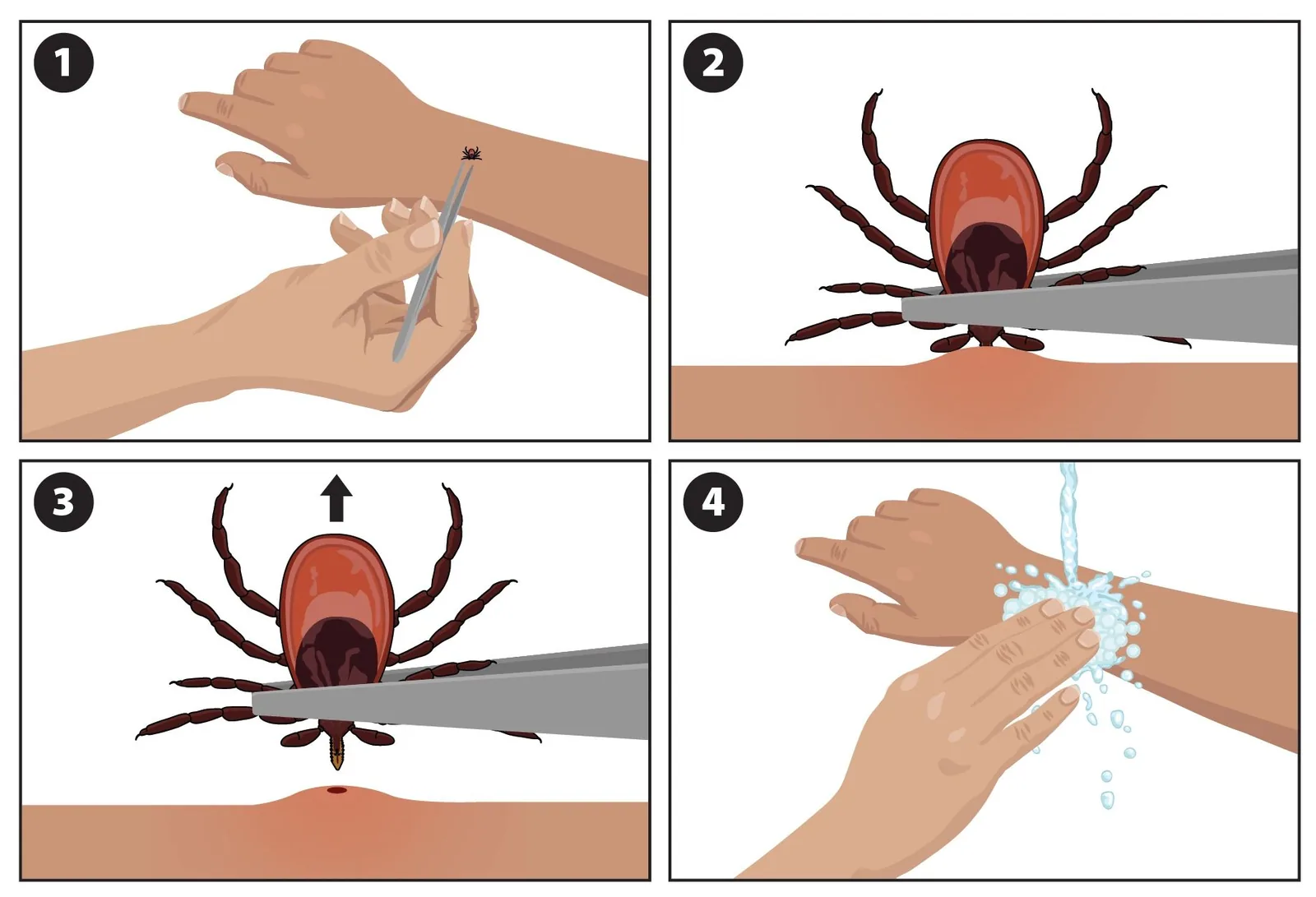
🧰 1. Use Fine Tipped Tweezers
Always use fine tipped tweezers, not your fingers. Grasp the tick as close to the skin as possible, right at the point where its mouthparts are attached. Avoid grabbing the body of the tick, as that can squeeze harmful bacteria into your bloodstream.
Hold the tweezers firmly but gently — the goal is to remove the entire tick in one slow motion.
⬆️ 2. Pull Straight Out with Steady Pressure
Once you have a firm grip, pull straight upward using even, steady pressure. Do not twist or jerk the tick, as this can cause its mouthparts to break off and remain embedded in your skin.
If a small part of the tick remains, do not dig into the skin. Instead, clean the area thoroughly and allow the skin to heal naturally.
🧴 3. Clean the Area After Removal
After removing the tick, wash the bite area and your hands with soap and warm water. You can also use rubbing alcohol or an iodine scrub to disinfect the skin and the tweezers.
Proper cleaning reduces the risk of infection and ensures no bacteria remain at the bite site.
🧪 4. Save the Tick for Identification
Place the tick in a sealed plastic bag or small container with a damp cotton ball to keep it from drying out. Label it with the date and where on your body it was found.
This can help your doctor or local health department identify the species and determine if it carries Lyme disease or other tick borne illnesses.
⏰ 5. Monitor for Symptoms
Over the next several weeks, keep an eye on the bite area and your general health. Watch for symptoms such as
- A red rash or “bullseye” pattern around the bite
- Fever or chills
- Muscle aches or fatigue
- Swollen joints or stiffness
If any of these appear, contact your healthcare provider right away and mention your tick bite. Early detection is key for effective treatment.
🐾 6. Check Pets Too
Pets can easily bring ticks into your home after spending time outdoors. If you remove a tick from yourself or a pet, check the entire household thoroughly. Dogs, in particular, should be checked around their ears, neck, belly, and between their toes.
Keeping up with your veterinarian’s recommended tick prevention plan is another layer of protection.
🌿 7. Prevent Tick Encounters Before They Happen
The best way to avoid tick bites is to reduce tick populations on your property. That is where Upstate Bug Busters comes in.
Our high pressure high volume all natural tick control treatments target areas where ticks hide and breed — in grass, mulch beds, leaf litter, and along wooded edges. By creating a protective barrier around your home, we make your outdoor spaces safer for your family and pets.
💚 Peace of Mind Starts with Prevention
Tick bites can be scary, but knowing what to do makes a huge difference. Combine these safe removal steps with proactive property treatments to enjoy your yard worry free.
Contact Upstate Bug Busters today to schedule your all natural tick and mosquito control service and take the first step toward a pest free property.