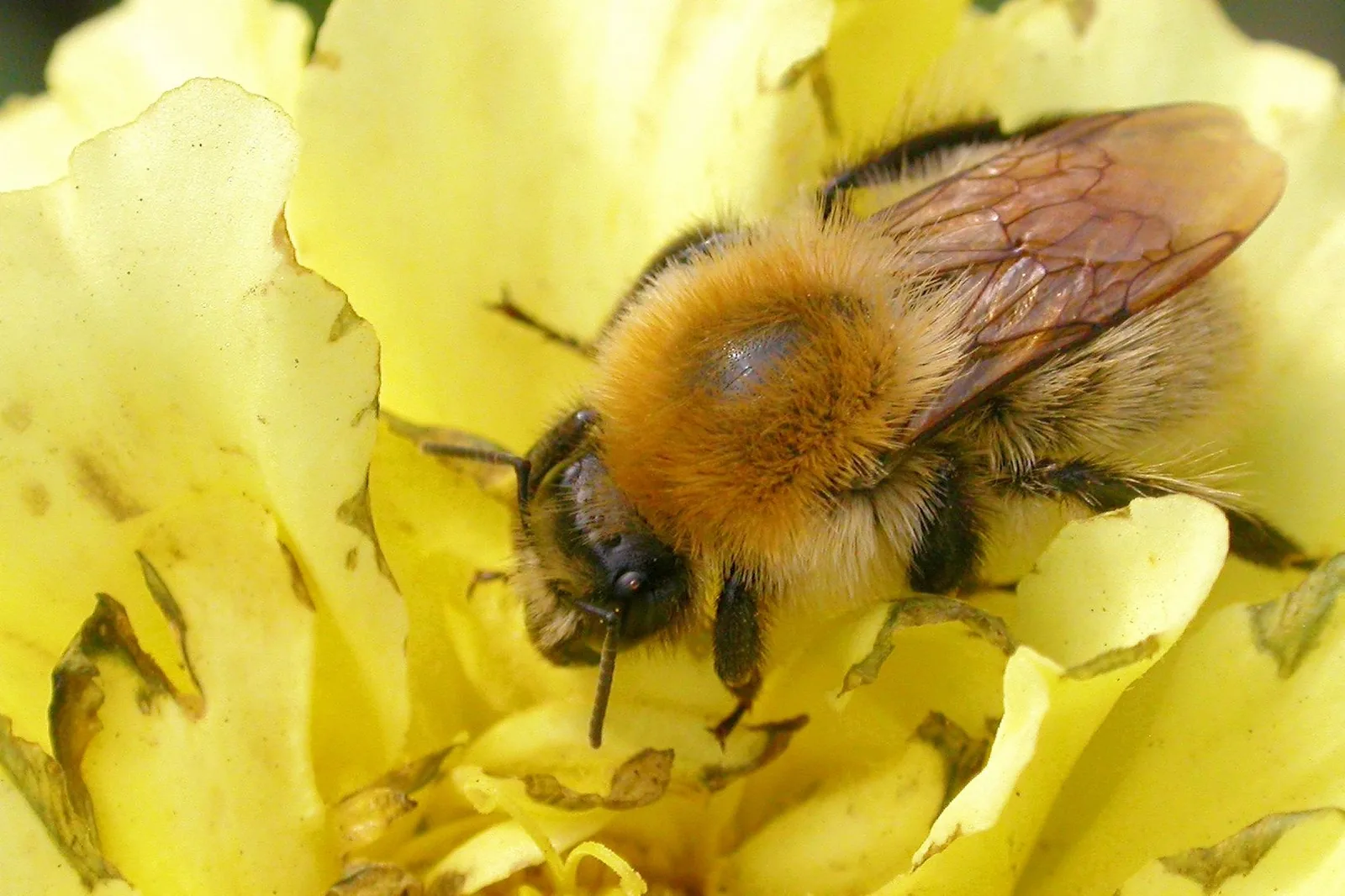
The Capital Region of New York is known for its vibrant natural landscapes, from rolling hills and dense forests to lush gardens and flowing rivers. This area is home to an abundance of wildlife, including essential pollinators like Bees, Butterflies, and Hummingbirds. These tiny creatures play a monumental role in the health of our local ecosystems—and they need our help.
Pollinators are the unsung heroes of the natural world. They are responsible for pollinating about 75% of flowering plants and nearly 35% of the food crops that we rely on. Despite their critical role, pollinators are facing an alarming decline due to habitat loss, pesticide use, and climate change. As a result, protecting pollinators and promoting eco-friendly practices is more important than ever, especially in regions like the Capital Region of New York. Here’s why we must protect the pollinators and how eco-friendly practices can help safeguard our local ecosystems.
The Vital Role of Pollinators in Local Ecosystems
Pollinators are essential to the health of both our natural environment and the food systems we rely on. In the Capital Region, pollinators are crucial for the pollination of wild plants, gardens, and many agricultural crops. Here’s how they contribute to local ecosystems:
- Biodiversity: Pollinators help maintain biodiversity by ensuring the reproduction of native plants, which, in turn, support local wildlife. These plants provide food and shelter for a variety of species, from small mammals to birds and insects.
- Food Crops: Pollinators are responsible for the fertilization of a wide range of fruits, vegetables, and nuts. In the Capital Region, where farms produce apples, berries, vegetables, and more, pollinators directly support the agricultural industry, which is a vital part of the local economy.
- Healthy Soil: Pollination supports the growth of plants that contribute to healthy soil. Without these plants, soil erosion and poor soil quality would become bigger issues, affecting both local flora and fauna.
The Decline of Pollinators: A Growing Concern
Unfortunately, pollinators are in decline across the globe, and the Capital Region is no exception. A variety of factors are contributing to this decline, including:
- Habitat Loss: Urbanization, agricultural expansion, and deforestation have led to a reduction in the natural habitats that pollinators rely on. Fields and meadows are being replaced with development, leaving pollinators with fewer places to forage and nest.
- Pesticides and Chemicals: The widespread use of pesticides in both agriculture and landscaping can have devastating effects on pollinators. These chemicals kill pollinators directly or disrupt their ability to forage and reproduce. Even small amounts of pesticide exposure can lead to the collapse of entire populations.
- Climate Change: Changing weather patterns, including increased temperatures, droughts, and unpredictable rainfall, affect the availability of food and nesting sites for pollinators. For example, early or late blooms may not coincide with the peak activity of certain pollinators, disrupting the vital process of pollination.
Why Eco-Friendly Practices Matter in the Capital Region
As local residents, business owners, and caretakers of the land, we can make a significant impact by adopting eco-friendly practices that support pollinator health. In the Capital Region, where we are blessed with natural beauty, it is crucial that we take action to protect our ecosystems. Here’s how we can make a difference:
1. Avoid Harmful Pesticides
Reducing or eliminating the use of chemical pesticides is essential for protecting pollinators. Instead, consider using natural pest control methods like essential oils, insecticidal soap, or diatomaceous earth. These solutions are effective at keeping pests away without harming pollinators. If you do need to use pesticides, make sure to apply them in the evening or early morning when pollinators are less active.
2. Support Local, Sustainable Farming
The Capital Region is home to many small-scale farms that embrace sustainable farming practices, such as organic farming, crop rotation, and reduced pesticide use. By supporting these farmers, you contribute to practices that prioritize the health of pollinators and the environment. Local farmers are also a great source of pollinator-friendly products, such as honey, which helps further support local ecosystems.
3. Create Pollinator Habitats
Creating a safe haven for pollinators in your backyard, school, or business can have a huge impact. Planting wildflowers, building bee hotels, and leaving small areas of un-mowed grass or fallen leaves can provide much-needed nesting and foraging sites for pollinators. Even small efforts can create a network of habitats that will help support pollinator populations.
4. Educate Others
Raising awareness about the importance of pollinators and eco-friendly practices is key to creating long-lasting change. Share your knowledge with neighbors, family members, and local community groups. The more people who understand the vital role of pollinators, the stronger the collective effort will be to protect them.
Upstate Bug Busters: Protecting Pollinators with Eco-Friendly Practices
At Upstate Bug Busters, we’re passionate about protecting both people and the environment. That’s why we specialize in all-natural pest control solutions that are pet, family and eco friendly. Our eco-friendly treatments target pests like Mosquitoes and Ticks without the harmful chemicals that threaten pollinators. By choosing natural pest control methods, we are able to help you protect your backyard while also supporting the health of local ecosystems.
Our all-natural treatments not only keep your yard bug-free but also help preserve the delicate balance of the local environment. As part of our commitment to sustainability, we strive to minimize our ecological footprint and promote responsible pest management practices that benefit the region’s biodiversity.
Conclusion
Protecting pollinators is a crucial step in preserving the natural beauty and health of the Capital Region’s ecosystems. By adopting eco-friendly practices like planting pollinator-friendly gardens, avoiding harmful pesticides, and supporting local farmers, we can all contribute to creating a safer environment for these vital creatures. At Upstate Bug Busters, we are proud to be part of the solution, providing eco friendly and effective pest control that works in harmony with nature.
Let’s work together to protect pollinators, safeguard our local ecosystems, and ensure that future generations can enjoy the vibrant, thriving nature of the Capital Region.